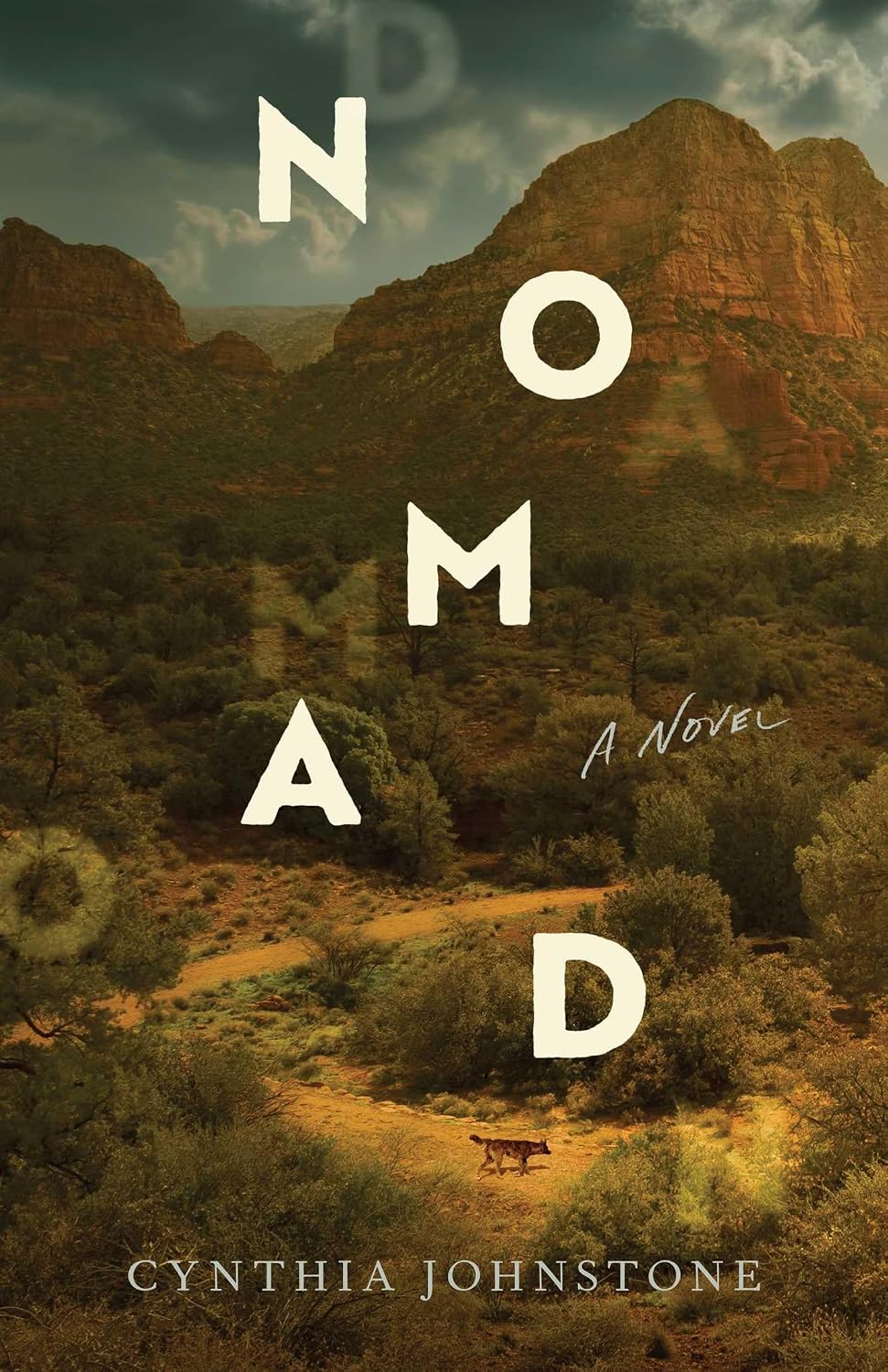
Following the death of her brother, Corey drives into the wilderness outside of Sedona, Arizona. At just 18 years old, she buys a remote ranch in the middle of nowhere, no electricity, no phone, just her grief to keep her company.
After 10 years have passed, a mysterious dog wanders onto her property, staying by her side despite her best efforts to send him away. The bead on his neck simply reads Nomad.
When Nomad saves her life for the first time, she takes him into town to the local vet, who just so happens to be the boyfriend she left behind in Phoenix all those years ago. She’s kept her heart locked away for so many years, will she ever be able to open it again?
Before you dive into your copy, check out this Q&A with the author herself to get an inside look.

When were you first inspired to write your debut novel, Nomad?
The first spark came to me one afternoon while I was hiking with my dog, Millie, through a forest fire burn scar near Flagstaff, AZ. I was going through a challenging time at the moment, and I remember looking around at the blackened trees and feeling a sort of kinship with that landscape. But then suddenly I noticed these little green shoots coming up through the burned earth. There was something extremely hopeful about that. The forest still bore the scars of everything it had been through, but new life was finding a way. I remember thinking, “This is not where the story ends.” That became the seed for Corey—a woman who had survived something devastating but was learning that is not where her story ends.
You call Arizona home. What inspired you to set the novel in the desert wilderness of Sedona?
Living in northern Arizona, I’ve experienced how much being outside can change the way I feel. I’ll start a hike with a head full of noise, and somewhere along the way, things begin to settle. Sedona has that effect on me, too. The red rocks, Oak Creek, the sheer scale of everything…it gives me perspective and has this magical ability to soothe me and reinvigorate me all at the same time.
For Corey, nature offers a place where she can simply be. She doesn’t have to explain herself or manage anyone’s expectations. Its rhythms give her something dependable when her own life has been so unpredictable.
And living off-grid keeps her busy, which is very deliberate. There’s always something that needs doing, and that gives her fewer opportunities to think about the past. I wanted readers to understand the comfort she finds in that life and why she holds on to it so tightly.
What type of research did you do for the book?
I started with the practical questions: How would Corey get water, grow food, and maintain this life on her own? I’ve always been fascinated by people who successfully live off-grid. Along with watching shows like Alaska: The Last Frontier, I interviewed a friend who lives that way
and toured their homestead in Colorado. I took notes on the daily routines and just how much work goes into meeting basic needs. It was fascinating—and definitely not for the faint of heart.
I also read about relationships with land and animals in different Native American traditions. Linda Hogan’s books were part of that reading, as was Hopi Animal Tales. I wanted Corey’s life to feel believable down to the smaller details, like her chores, her greenhouse, and the changing of the seasons. There’s tremendous beauty in her life, but she works hard for it. Those daily demands are part of what keeps her going.
What inspired the character of Corey?
Corey grew partly out of my admiration for strong women. The women who figure things out, do what needs doing, and keep going even when life is incredibly hard. I’ve known women like that, and I wanted some of their strength to be represented in Corey.
But I was also interested in what’s underneath all that capability. Corey can do almost anything for herself, which makes it very easy to believe she doesn’t need anyone. After experiencing how little control she has over some of the most important things in life, she’s built a world where she can control as much as possible.
That combination interested me. You admire her resilience, but you also want to say, “You’re allowed to need someone. You don’t have to do all of this alone.” And, occasionally, “What is it going to take to get that through to you?”
How did Corey change from the beginning to the end?
At the beginning, Corey has made her life very small and very controlled. She has her routines, her work, and firm boundaries meant to protect herself. She’s figured out how to get through the days without leaving much room for anything…or anyone…unexpected.
Then Nomad arrives, and he is inconvenient in all the ways she needs him to be. He needs care. He challenges her. He gives her someone besides herself to think about. He protects her, and very slowly, he draws her outside of herself. Before she quite realizes it, she’s deeply attached to this dog she never intended to let into her life.
By the end, she’s more willing to let herself care, to accept help, and to imagine a future with something to look forward to. She knows what loving someone can cost, but she’s beginning to believe it might be worth the risk again.
How did your background as a pediatric therapist help you write about grief?
My background encourages me to be curious about what’s underneath someone’s behavior. With Corey, it would be easy to see her as difficult or stubborn or someone who simply doesn’t like people. But once you understand what she’s protecting and why she is the way she is, her choices begin to make sense.
It also makes me attentive to small signs of progress. For Corey, accepting help or allowing herself to care about a dog is an enormous step. So much of her change happens quietly, before she could even explain it herself, and I wanted to give those moments their due.
I’ve also learned that grief can look very different from person to person. There’s no single way it has to unfold. I wanted to make room for someone whose grief might be difficult for others to recognize or understand and help readers understand her from the inside.
What scene was the hardest or most rewarding to write, without giving too much away?
Without a doubt it was Corey’s initial rejection of Nomad. As a dog person, that was painful. My instinct was, “Help him!” But I had to stay true to who she was at that point. Letting him in meant something much bigger to her than offering a dog a meal or a place to sleep, and I couldn’t rush her past that.
One of the most rewarding scenes takes her into a burned forest, bringing the story back to that original moment of inspiration. Without giving too much away, she recognizes something in the landscape that she hasn’t been able to recognize in herself. It felt like the moment I’d been writing toward all along.
Are you working on your next book? Can we get a sneak peek?
Yes! I’m working on my next book right now. It’s also set in Sedona, but there’s more suspense in this one.
It follows Rae, a woman grieving her daughter’s death while working at a luxury resort, where she spends her days making other people’s lives comfortable. When she discovers that a young pregnant guest is being abused, it brings her face-to-face with things she can’t ignore.
It’s about women finding their chosen family and discovering they have people worth fighting for. There’s love, friendship, humor, and characters I’m already very attached to. And the question of how far you’ll go to keep someone safe.
About the Author –
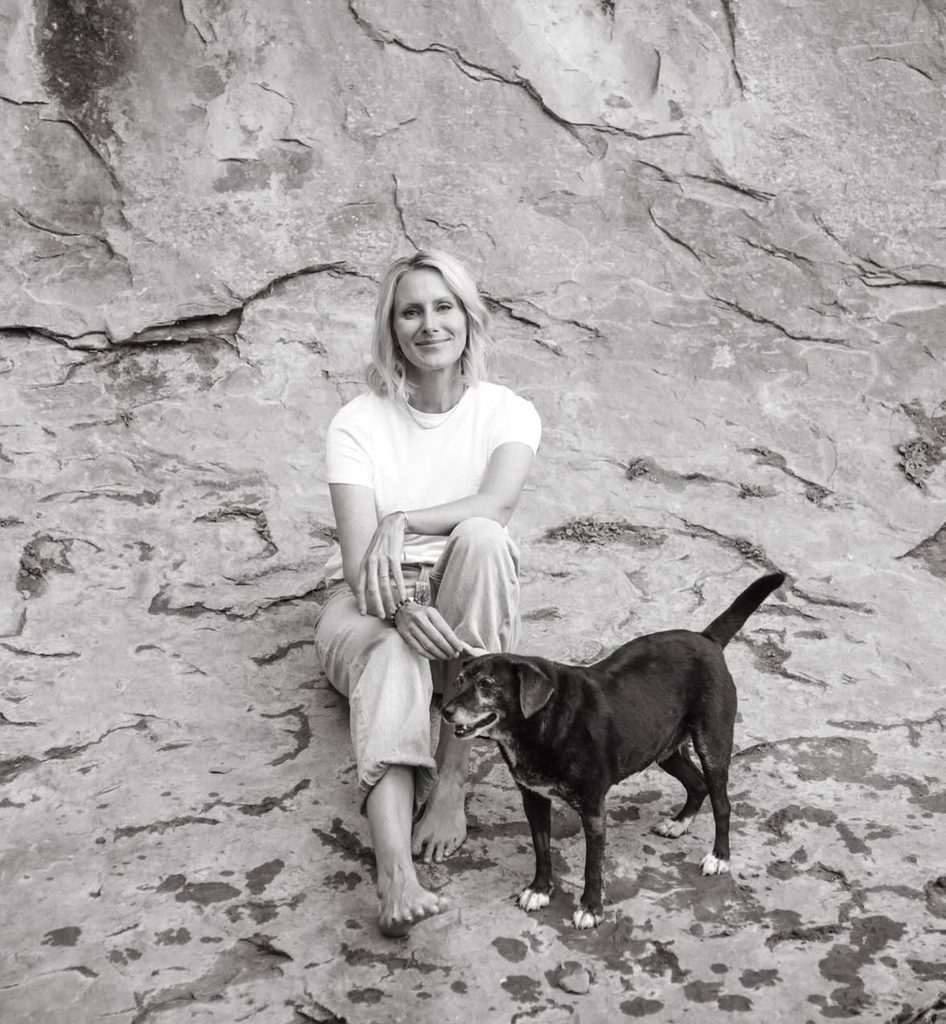
Cynthia Johnstone
Cynthia Johnstone is a former pediatric therapist and longtime writer whose work explores the intersection of human resilience and the natural world. With a background in psychology and communication, she writes fiction rooted in emotionally complex characters and landscapes that test, shape, and heal the human spirit. Her debut novel, “Nomad,” reflects her enduring fascination with grief, memory, survival, and the restorative power of place. She holds degrees from Loyola University Chicago and Boston College. Cynthia lives with her family in Arizona, where the dramatic terrain of the Southwest continues to inspire her.
Learn more about Cynthia and her work at: www.cynthia-johnstone.com and on Instagram: @cynthia_johnstone
“[An] intensely beautiful portrait of healing…rather than treating grief as something to overcome, Johnstone portrays it as an enduring part of what makes us human”
–Publishers Weekly, BookLife, Editor’s Pick